digestbuddyreel

The Swiss Watchmaking Tradition

An exploration of the historical importance of precision engineering, the art of mechanical craftsmanship, and the meticulous finishing techniques that define Swiss-inspired horology.

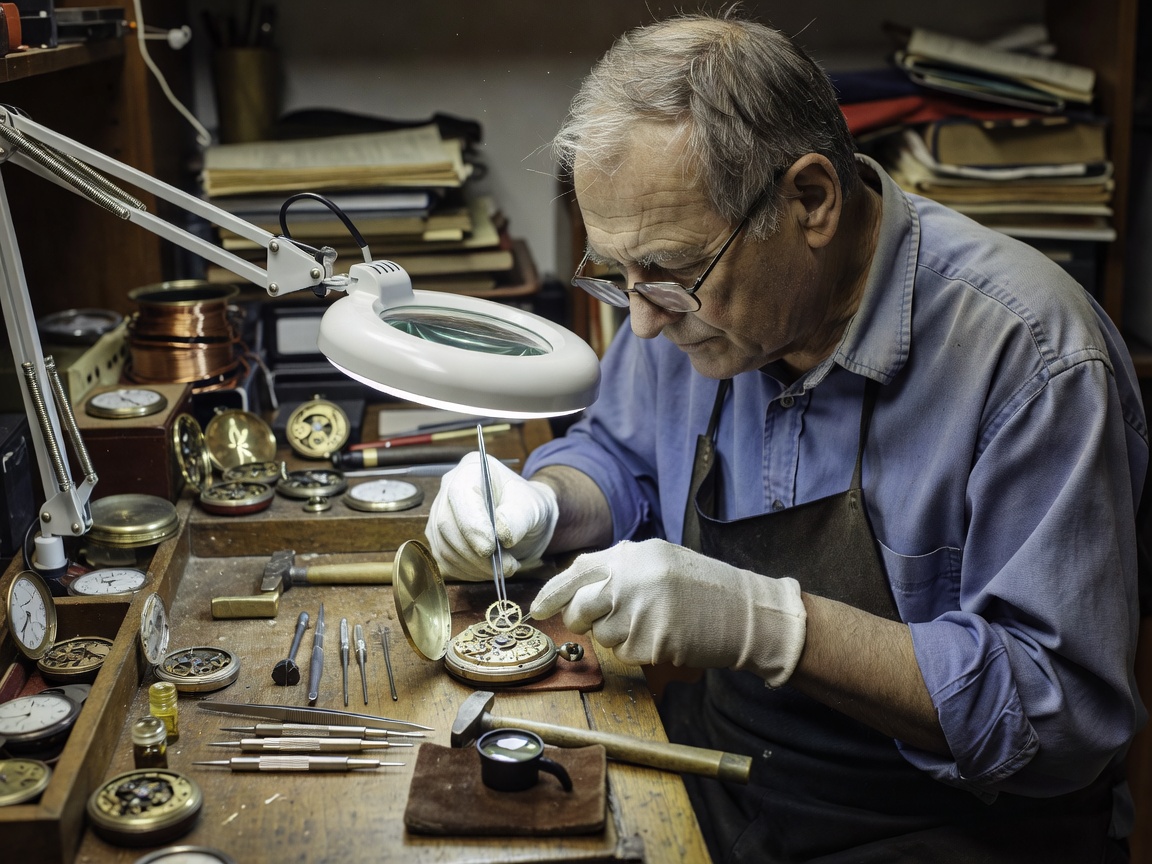
Watchmaker working delicately with precision tools

Mechanical Craftsmanship

At its core, mechanical watchmaking is the art of controlling the release of energy to measure time. Unlike quartz watches that rely on a battery and an electronic oscillator, mechanical watches are entirely autonomous, relying on a complex system of interconnected gears, springs, and levers.

The heart of this system is the mainspring, which stores potential energy when wound. This energy is transmitted through the gear train to the escapement, a mechanism that releases the energy in precise, regulated impulses. The balance wheel oscillates back and forth, acting as the timekeeping element. It is this microscopic mechanical heartbeat that has captivated enthusiasts for centuries.

Precision and Regulation

Creating a mechanical movement that simply runs is an achievement; creating one that keeps accurate time over days, weeks, and years is the true test of a watchmaker's skill. Regulation involves microscopic adjustments to the balance spring and the balance wheel itself, ensuring it beats at exactly the right frequency regardless of the watch's physical position or temperature changes.

Watch Finishing

Brushing & Polishing

Finishing transforms a functional piece of metal into an object of beauty. Brushing creates a textured, matte surface that hides scratches and provides a utilitarian aesthetic. Polishing, particularly "black polish" or specular polish, creates a mirror-like finish that perfectly reflects light.

Beveling (Anglage)

A hallmark of high-end horology, beveling involves creating a polished, angled edge along the borders of movement bridges and plates. It requires an incredibly steady hand and years of practice to achieve a uniform angle and perfect polish without distorting the metal.

Case Craftsmanship & Dial Design

The case serves as the protective fortress for the movement. Its construction dictates the watch's water resistance, durability, and how it wears on the wrist. Crafting a case involves machining steel or precious metals to exact tolerances, followed by extensive hand-finishing to achieve the desired blend of brushed and polished surfaces.

The dial is the face of the watch. Design considerations include legibility, balance, and aesthetic appeal. Elements like applied metal markers (indices), precisely printed scales, and textured surfaces (such as guilloché) all contribute to the watch's character. The shape and length of the hands must be perfectly proportioned to the dial size.

Strap Craft

A fine timepiece requires a fine securing mechanism. The craftsmanship of leather straps involves selecting premium hides, careful cutting, edge painting, and meticulous stitching. Metal bracelets require complex engineering to ensure flexibility, comfort, and a secure clasp, often utilizing the same finishing techniques applied to the watch case itself.